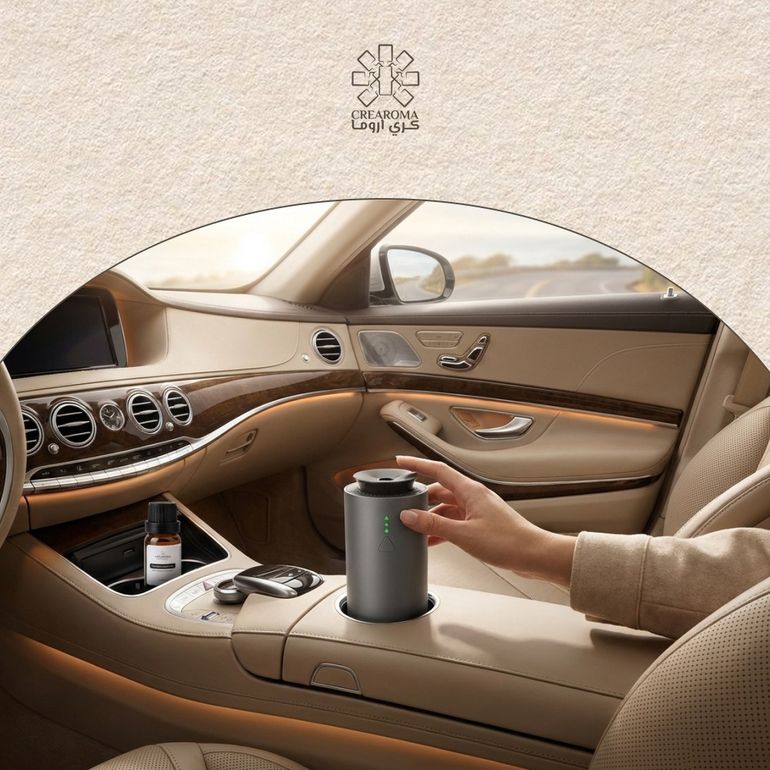
How to Make Your Car Smell Good with a Car Diffuser
1. Find out how to keep your car smelling fresh, choose between a car air freshener and a diffuser, and pick a compatible fragrance oil.
All Posts

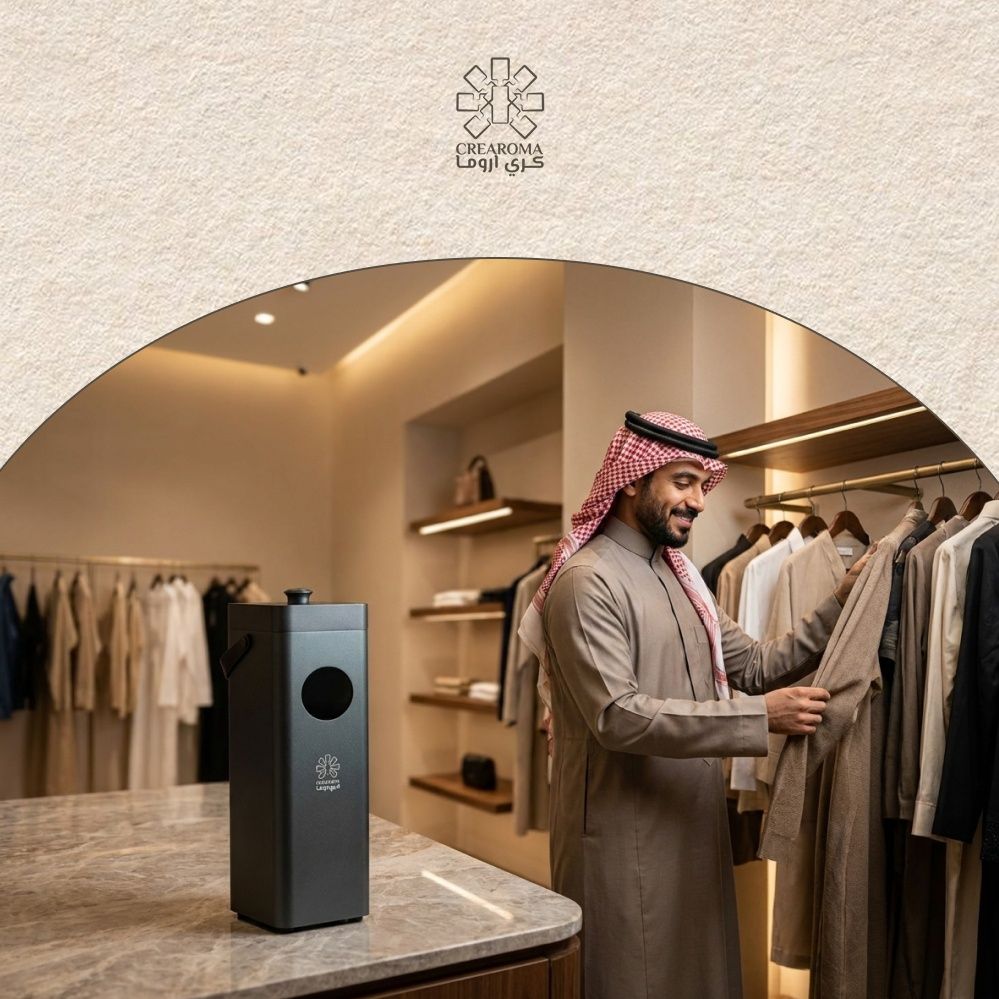
Can you forget every detail of a store visit, yet remember its scent for years?
Sometimes, you may forget many details of a shopping experience shortly after leaving, but a particular fragrance can remain associated with the place and bring back memories of that visit long afterward. This is the power of scent memory, and it goes beyond simply enjoying a pleasant fragrance. It is connected to how the brain processes smells and links them to past experiences. So, what makes certain scents more powerful at bringing back memories? And how can businesses use scent memory to create a distinctive identity that customers can easily remember?
Scent memory is the brain's ability to connect a familiar smell with a past experience, place or emotion. When someone encounters the same scent again, it can bring back associations linked to the original experience, even if that experience happened a long time ago.
For stores, this connection can make fragrance a recognizable part of the brand identity. When customers repeatedly encounter the same scent alongside the store's products, service, and atmosphere, the fragrance can become associated with the overall shopping experience. Over time, smelling it again may remind them of the store, helping strengthen brand recognition.
When you inhale a fragrance, odor molecules activate receptors in the nose. These receptors send signals to the olfactory bulb, which relays information to brain regions involved in emotion and memory.
Two regions are particularly relevant:
This explains why a familiar smell can bring back a personal experience. However, recognizing a fragrance does not always mean recalling where it was first encountered. This distinction is important when understanding how scent memory works.
A signature fragrance should reflect the brand and suit its environment. These steps can help make scent memory part of a considered customer experience:
Define the impression you want the space to create. Warm woody or amber notes may complement a refined boutique, while fresh or light floral notes may suit a beauty or wellness setting. Consider your products, interior design, and audience before choosing.
Using a stable fragrance across customer areas makes the experience easier to recognize. Constantly switching between unrelated scents can weaken the association customers form with the space. If you operate several branches, aim for a similar scent character across locations.
A fragrance should be noticeable without dominating the room. Start with a low diffusion level, assess how it feels in different areas, and adjust gradually. Stronger is not necessarily better: an overpowering scent can distract visitors or cause discomfort.
Think about where customers enter, browse, wait, and pay. The fragrance should not compete with product smells, food aromas, or other important sensory cues.
Evaluate your store’s signature scent through customer feedback, comfort, consistency, and brand recognition.
These checks help you assess whether scent memory is contributing to a positive customer experience, without assuming that fragrance alone drives purchases or loyalty.
The fragrance you choose for your store should reflect its character and the experience you want customers to remember. Quality and consistency also matter, as a well-balanced scent helps maintain a pleasant atmosphere throughout the space. At CREAROMA, different fragrance profiles offer room to create this identity, each with its own character:
The right fragrance is not simply the one that smells pleasant, but the one that fits your store’s identity and creates a memorable experience. With a consistent scent you can build scent memory that helps customers recognize your brand whenever they encounter the same fragrance again.
Create a scent identity your customers recognize instantly with CREAROMA.
Even a well-chosen fragrance can create a negative impression if it is used incorrectly. These mistakes can affect how customers experience the store and whether they associate its scent with the brand.
1. Find out how to keep your car smelling fresh, choose between a car air freshener and a diffuser, and pick a compatible fragrance oil.